
Research investment targets better outcomes for people with traumatic brain injury
May 6, 2026
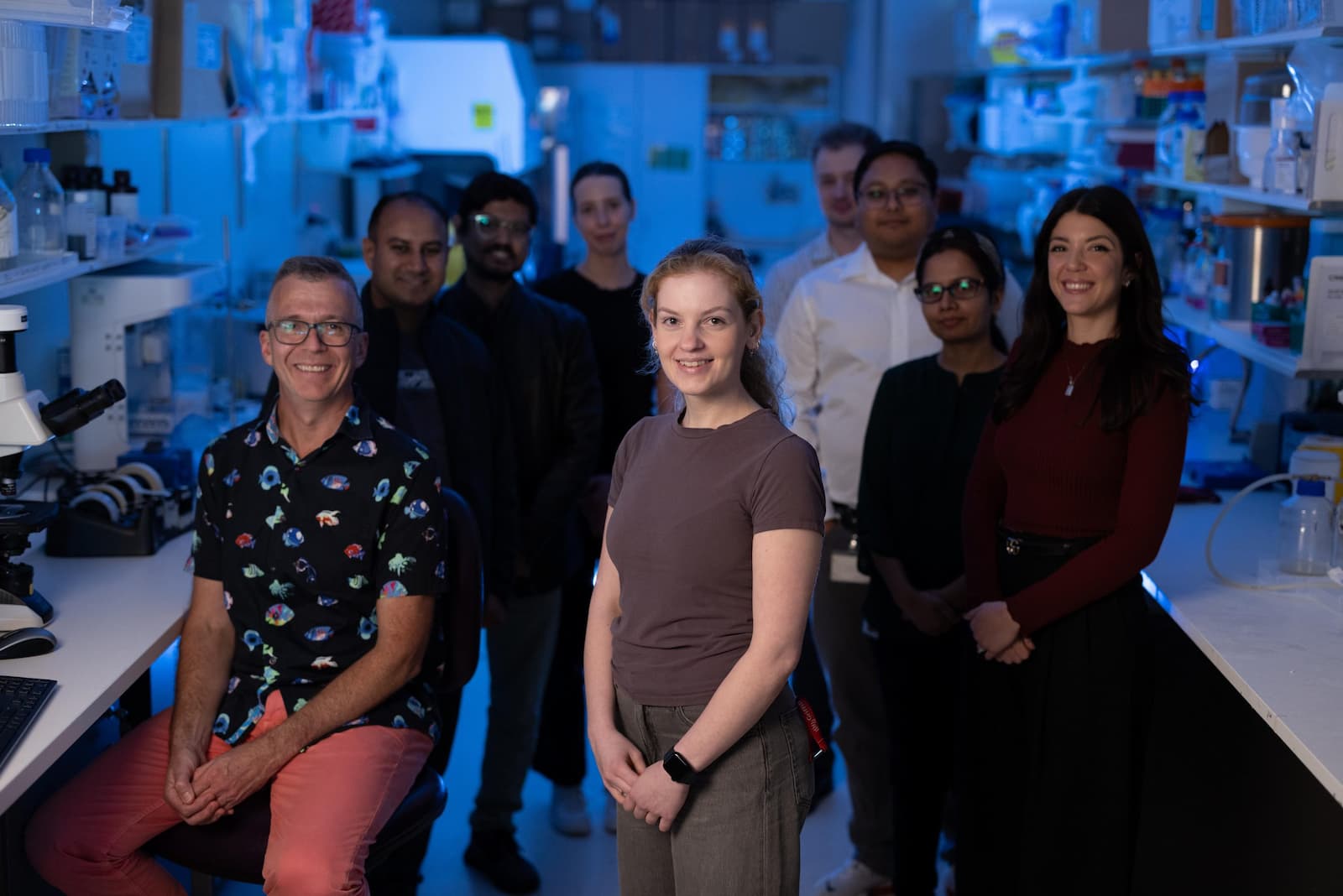
The National Injury Insurance Scheme, Queensland (NIISQ) is funding new research that could lead to future treatments for people living with traumatic brain injury (TBI).
NIISQ will invest $5.5 million over three years to support the Cure TBI project, led by Griffith University’s Clem Jones Centre for Neurobiology and Stem Cell Research.
The project aims to develop and test new cell‑based therapies designed to repair damage to the brain following traumatic injury, with the goal of preparing the most promising approaches for future human clinical trials.
Building on Queensland research success
Traumatic brain injury accounts for the majority of NIISQ participants and often results in lifelong impacts for individuals, families and carers. The cost of providing long‑term care and support is significant, highlighting the importance of research focused on improving recovery and long‑term outcomes.
The Cure TBI project builds on nearly a decade of Queensland‑funded research into spinal cord injury, where laboratory discoveries have progressed toward human clinical trials.
NIISQ Agency Acting Chief Executive Officer Gaenor Walker said the project applies that proven research model to brain injury.
“This project builds on strong expertise at Griffith University in translating laboratory research into potential therapies,” Ms Walker said.
“Importantly, the Griffith research team is also working closely with people with lived experience of traumatic brain injury and with clinicians, to ensure the research focuses on what matters most to people affected by TBI.”
Focus on cell‑based therapies and personalised care
The Cure TBI project will be led by neuroscientist Professor James St John, Head of the Clem Jones Centre for Neurobiology and Stem Cell Research within Griffith University’s Institute for Biomedicine and Glycomics.
Professor St John said the team will investigate a range of cell‑based therapies aimed at repairing or preventing further damage to injured brain tissue and supporting recovery.
“By combining laboratory research, advanced testing models and early planning for clinical delivery, our goal is to fast‑track the most promising treatments towards future clinical trials,” Professor St John said.
The research will also examine biomarkers that could help identify which types of brain injuries are more likely to respond to specific therapies. This could support more personalised treatment approaches in the future.
People with lived experience of traumatic brain injury will be involved throughout the project to help guide research priorities and outcomes.
Last updated: May 2026